About This Episode
This week on Always Pneumatic, Never Static, the Trucking Up History series returns for a deep dive into one of the most important and least appreciated materials in the bulk hauling world. Lime. If you haul it you already know what it looks like, what it does to your boots, and what happens when someone rushes the unload procedure. What you might not know is that the white dust in your trailer is older than the Roman Empire, older than written language, and older than the dinosaurs by a considerable margin. This episode traces lime from ancient campfires all the way to modern infrastructure and makes a strong case that pneumatic drivers hauling lime are doing something far more significant than most people realize.
Episode Highlights
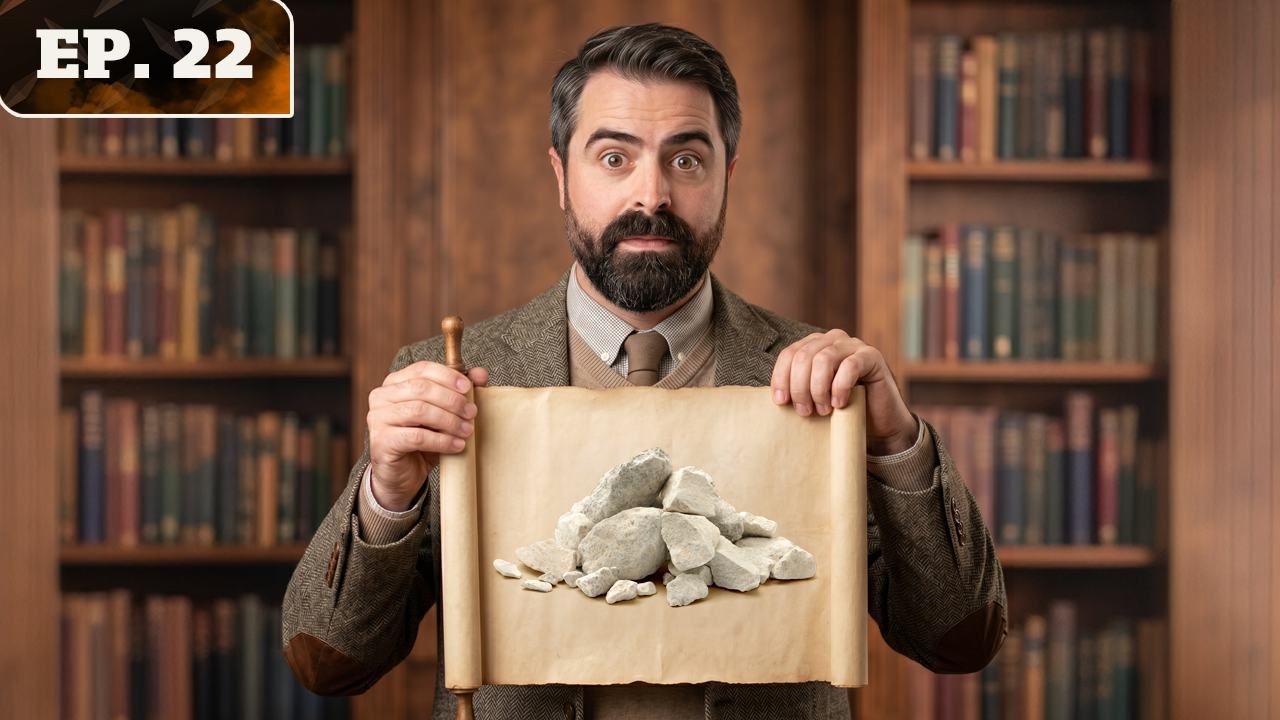
What lime actually is: Industrial lime begins as limestone, a sedimentary rock made primarily of calcium carbonate that formed millions of years ago from ancient marine life, coral, and compressed ocean sediment. Some of the lime hauled across America today was sitting on the floor of an ancient ocean long before dinosaurs existed. Limestone is mined from quarries and heated in industrial kilns at temperatures between 1,650 and 2,000 degrees Fahrenheit. That process removes carbon dioxide from the rock and leaves behind calcium oxide, better known as quicklime.
Why quicklime demands respect: When water is introduced to quicklime it creates a violent exothermic reaction that generates extreme heat and produces hydrated lime. Temperatures can exceed 300 degrees Fahrenheit. Historically, improperly stored quicklime has caused fires simply because moisture found its way into the material. Lime dust can damage lungs, irritate eyes, and burn skin. Anyone who has ever said "it's just powder" to an experienced pneumatic driver has heard about it afterward.
How humans discovered it: Historians believe early civilizations first discovered lime by accident when limestone rocks were exposed to extreme heat in ancient campfires or primitive kilns. They had no idea what was happening chemically. What they noticed was that this strange white material got hot when water was added, hardened like stone when mixed with sand and water, and made buildings last dramatically longer. That accidental discovery changed human history.
The Egyptians and lime: As early as 4000 BC, lime based mortars and plasters were being used in construction projects throughout Egypt. While the Great Pyramids were not primarily built using lime mortar the way later Roman structures would be, lime plaster and lime compounds played a major role in finishing surfaces, sealing stone, and protecting structures. The same fundamental material hauled today in pneumatic trailers was being used while mammoths still existed in parts of the world.
The Romans changed everything: If one civilization deserves credit for turning lime into a world changing material it is Rome. The Romans discovered that when lime was mixed with volcanic ash it created a concrete that could harden underwater and withstand centuries of abuse. This was revolutionary. Before Roman lime concrete, large scale durable construction was far more difficult and expensive. With it, Rome built massive aqueducts, ports, bathhouses, amphitheaters, bridges, roads, and entire cities. The Roman Empire did not just conquer territory — it paved it, literally.
The strange and surprisingly dark history of lime: Lime has one of the most unusual resumes of any industrial material on Earth. Quicklime was reportedly used in warfare because the dust could severely irritate eyes and lungs. It was used historically in burial practices because of the way it interacts with organic material. Quicklime reactions were even used as primitive heat sources before modern equipment existed because of how much heat the material generates when exposed to water.
Who uses lime today: Almost everybody. Steel production. Concrete and road construction. Soil stabilization under highways. Agricultural lime for crop fields. Water treatment plants. Environmental cleanup and pollution control. Paper. Paint. Glass. Plastics. Pharmaceuticals. Rubber. Toothpaste. Sugar refining. Cosmetics. Animal feed. Somewhere out there is a pneumatic driver with lime dust on their boots unknowingly contributing to both interstate infrastructure and somebody's lipstick. That is versatility.
Why pneumatic lime haulers matter more than people realize: Some industrial plants consume hundreds or thousands of tons of lime per day. If deliveries stop, operations slow down or shut down entirely. Pneumatic drivers hauling lime are supporting critical infrastructure whether anyone realizes it or not. Without steady lime deliveries, industries ranging from steelmaking to agriculture to water treatment start feeling the impact quickly.
The hauling difference: A reefer driver worries about temperatures. A flatbed driver worries about straps and chains. A pneumatic driver hauling lime worries about pressure, airflow, contamination, moisture, and whether the unload line is about to become an industrial cannon because somebody rushed the process. Pneumatic hauling demands patience and precision. One mistake can contaminate the product, damage the equipment, or create a dangerous situation at the customer site. That is exactly why experienced pneumatic drivers earn the respect they do in the bulk world.
From The Host
“Most people will drive on roads stabilized with lime, drink water treated by lime, and use products manufactured with lime today without ever giving it a single thought. That is the nature of the most essential things. They work so well and so consistently that they disappear into the background of everyday life. Behind every cloud of white dust on a catwalk is a product that helped build civilization itself. The driver covered head to toe in that dust is not hauling something ordinary. Never was.” — Marcus Bridges, Host
Have a story to tell or want to be a guest? Email us at podcast.bulktransit.com